Talis Aspire 2025: Expanding, Evolving and Joining Kortext
Celebrating Growth, New Partnerships, and Innovation
Celebrating Growth, New Partnerships, and Innovation
2025 has been a landmark year for Talis. With Talis now part of Kortext, we’re looking back at the standout moments that shaped the year, from major product developments to new academic partners, and offering a glimpse of what’s coming in 2026.
The biggest news of the year: Talis joins Kortext. This marks an important milestone for Talis, bringing long-term investment and renewed momentum for innovation. The acquisition will support enhancements to core Talis Aspire features, expand compatibility with library systems, and accelerate the use of emerging AI capabilities to strengthen teaching, learning, and resourcing workflows.
Talis Aspire continues thriving as one of the preferred resource list management systems for academic institutions, enabling institutions to create over 1.48 million resources lists.
Throughout 2025, over 144,000 new resources lists were published, with students viewing those lists over 62 million times, interacting with resources over 88 million times and setting over 2 million reading intentions.
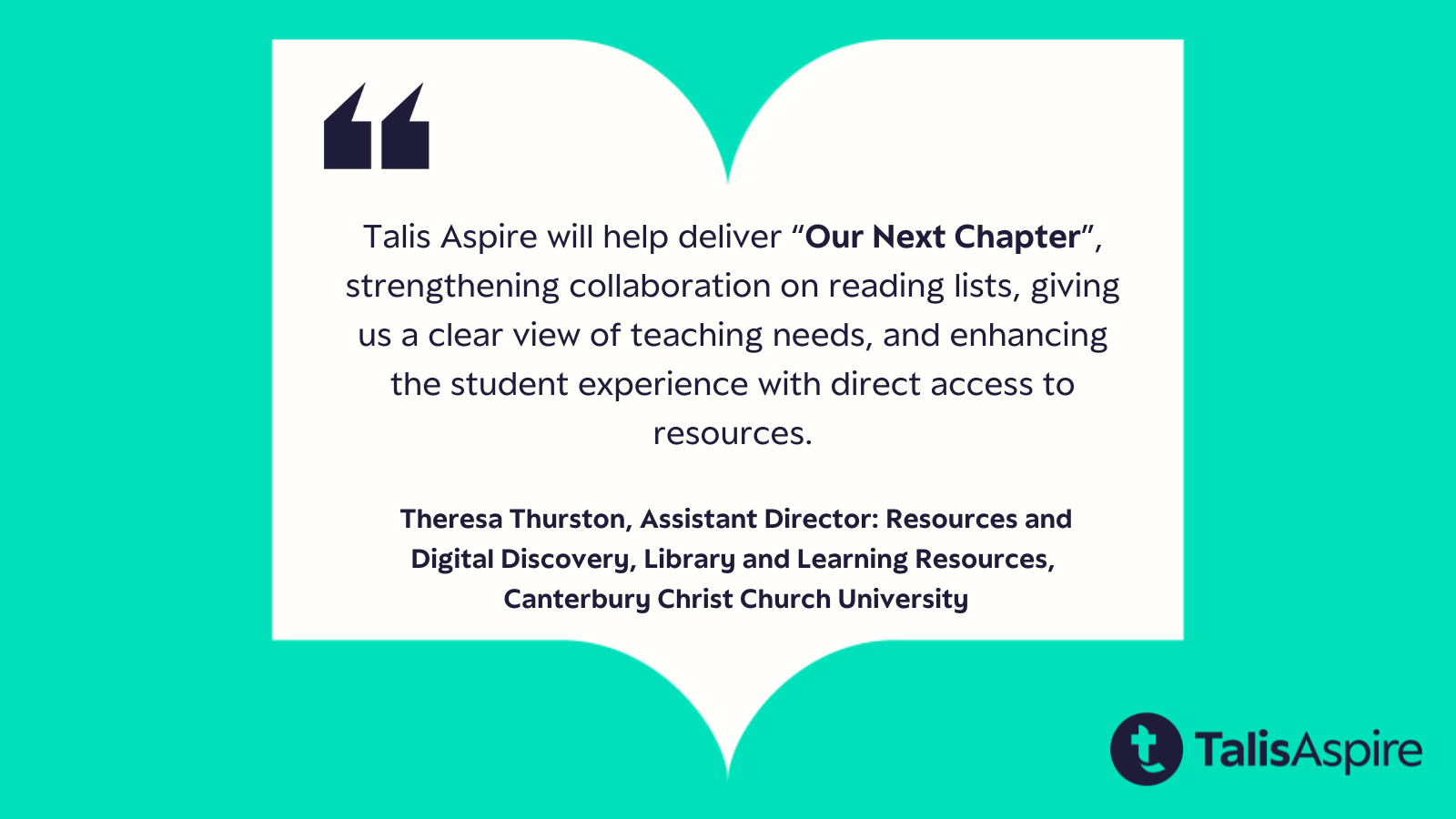
Canterbury Christ Church University selected Talis Aspire to strengthen student access to library resources and support academic skills development.
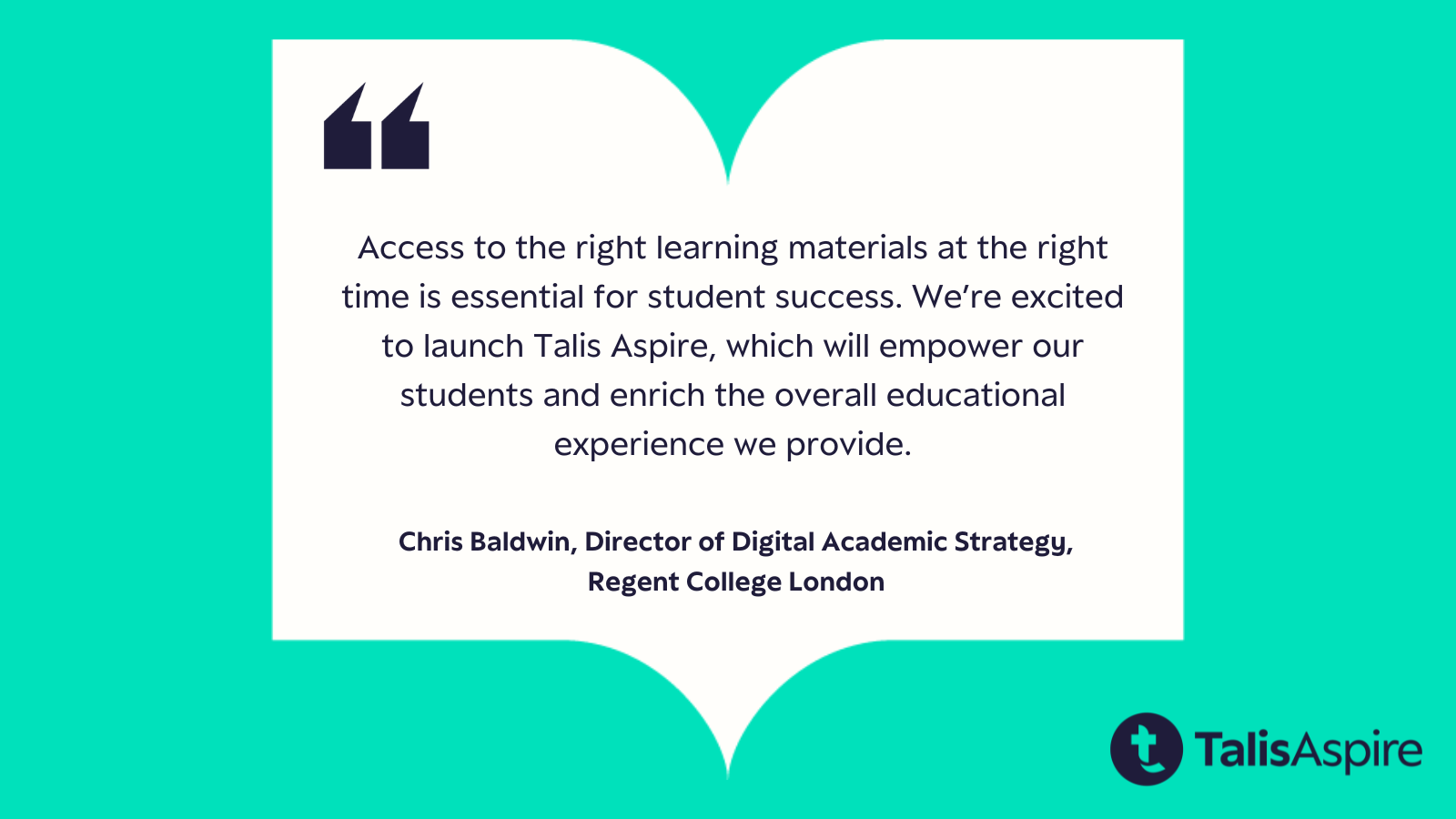
Regent College London adopted Talis Aspire to give students smoother access to library holdings and reduce the time and cost associated with locating course materials.
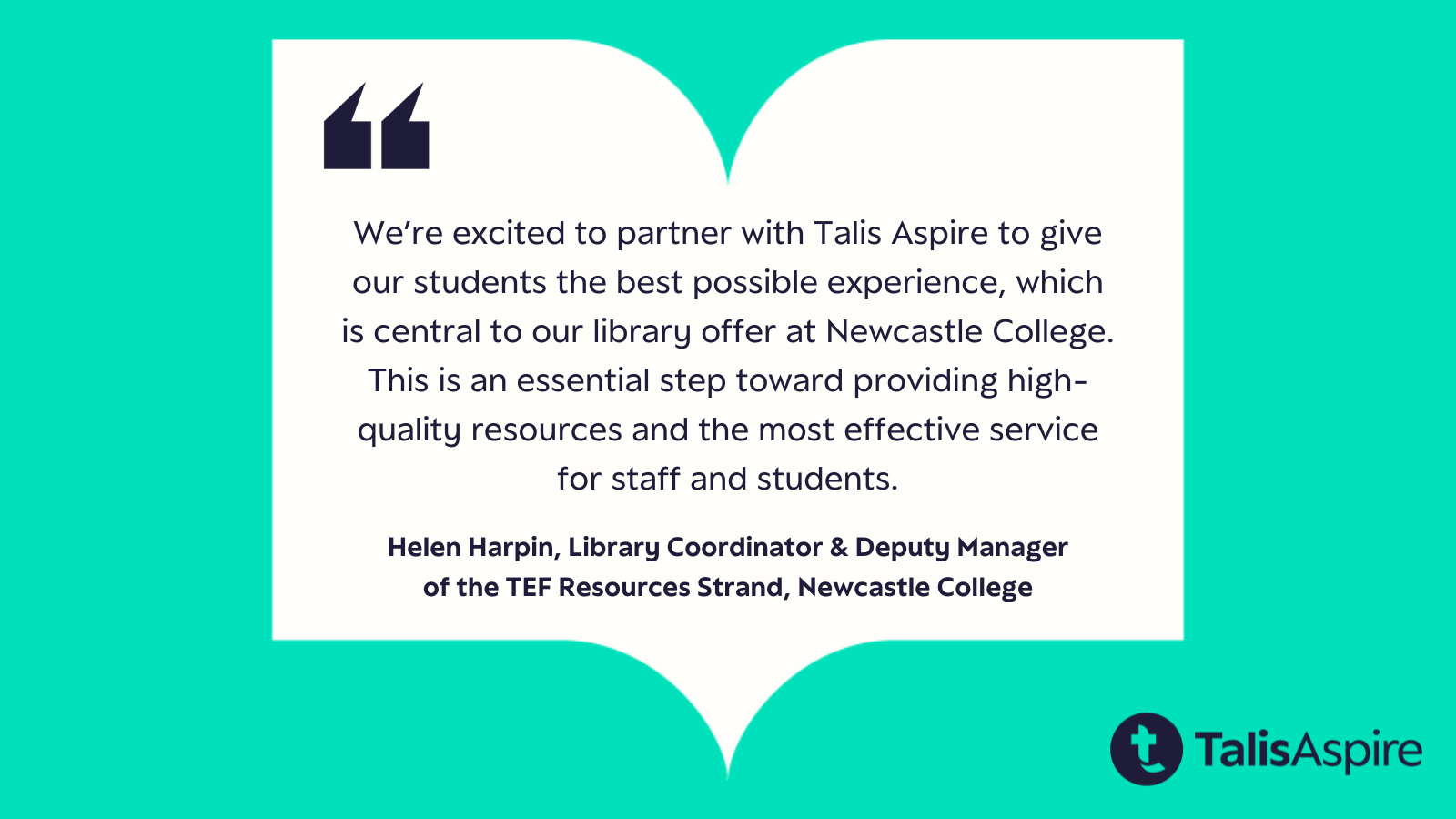
Our first Further Education partner, Newcastle College, joined us this year. Their adoption of Talis Aspire supports clearer, structured resource lists and makes course materials more accessible and affordable for students.
2025 also welcomed our first Talis CourseFlow customer: Hofstra University. By implementing CourseFlow, Hofstra aims to streamline access to course materials, strengthen student research outcomes, and enhance the undergraduate learning experience.
We were delighted that in the Advanced Procurement for Universities and Colleges (APUC) framework for Resource and Reading List Systems assessment, Talis Aspire ranked first in the technical assessment. Talis Aspire emerged as the top performer in the technical evaluation, scoring 60 points out of a possible 70 — the highest among all competitors.
Talis Aspire distinguished itself by placing first in the following key areas for academic libraries:
We continued to evolve Talis Aspire to support library teams and enhance student success. Below are some of the year’s major development highlights.
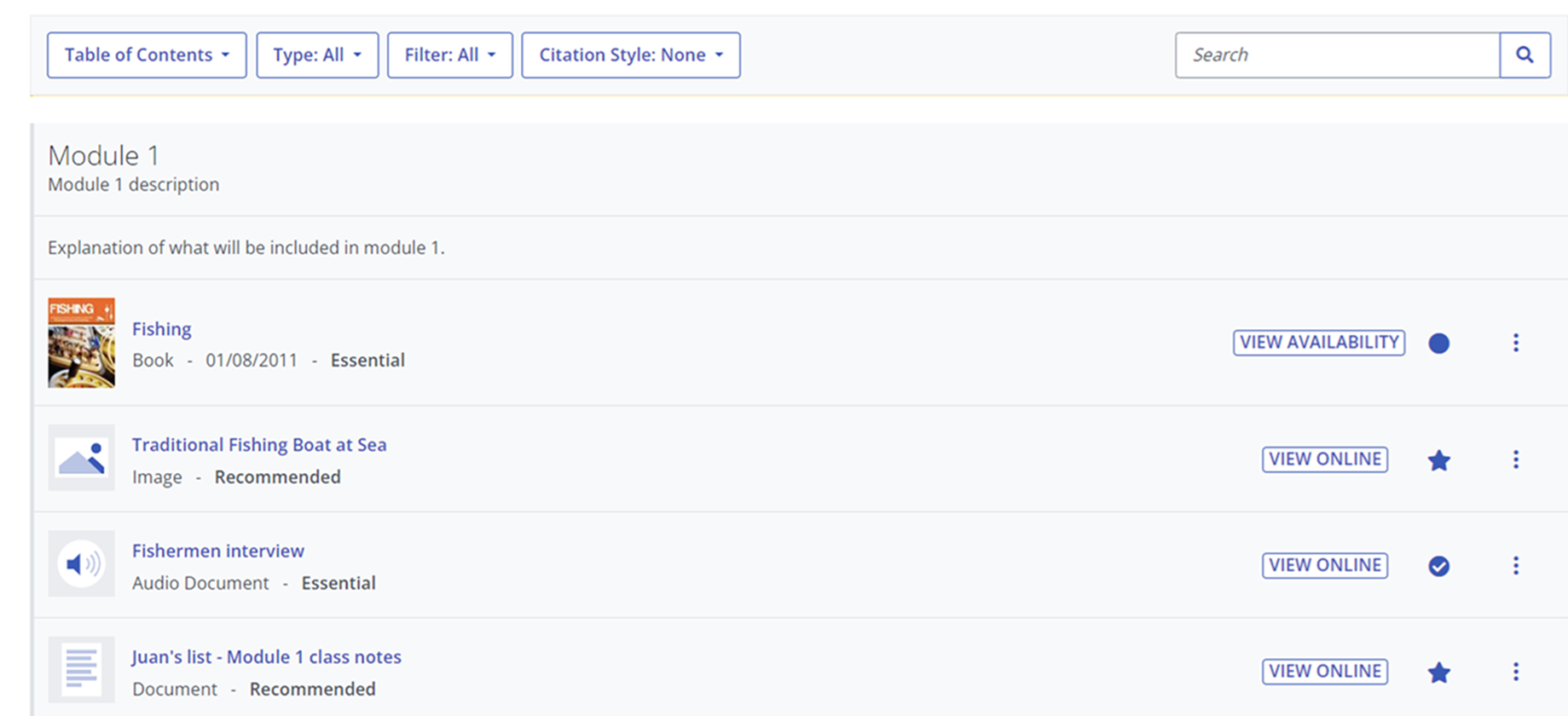
Talis Engage, available in both Talis Aspire and Talis CourseFlow, is our new digital resource reader and social annotation tool. Designed to boost engagement and simplify content access, it keeps students engaged with their resource lists.
Key features include:
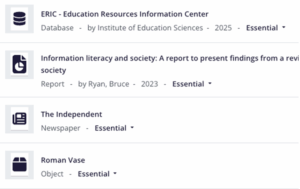
Responding to customer requests, we expanded the resource types within Talis Aspire to include Database, Report, Newspaper, and Object. These new types now appear in list filters and All List Items reports.
We also extended metadata fields such as Format, Number, Identifier, Series, Location, and Court, giving institutions more flexibility when bookmarking items.
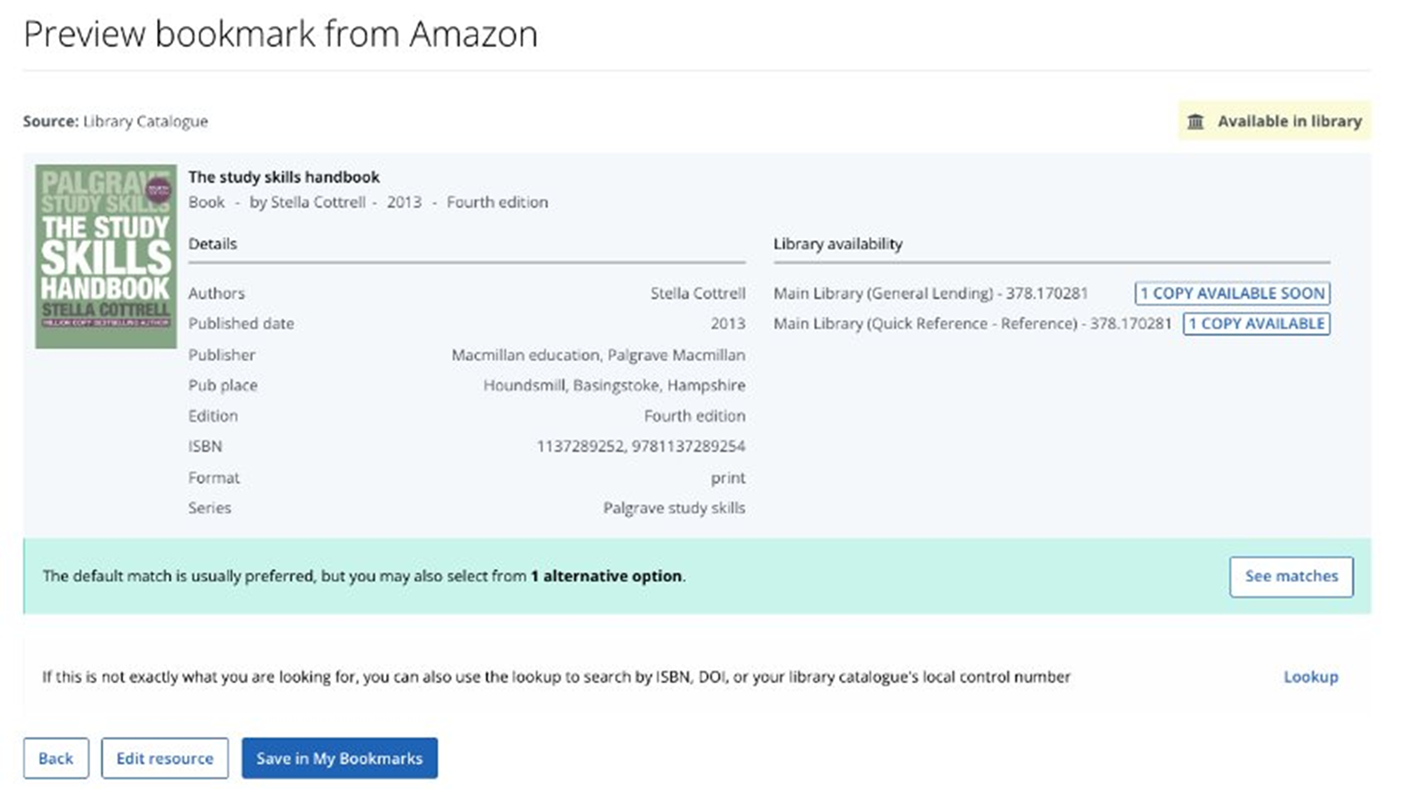
We introduced a more streamlined bookmarking experience. Users can now preview items before saving, receive alternative metadata suggestions, and add resources directly to their lists — all from one improved workflow.
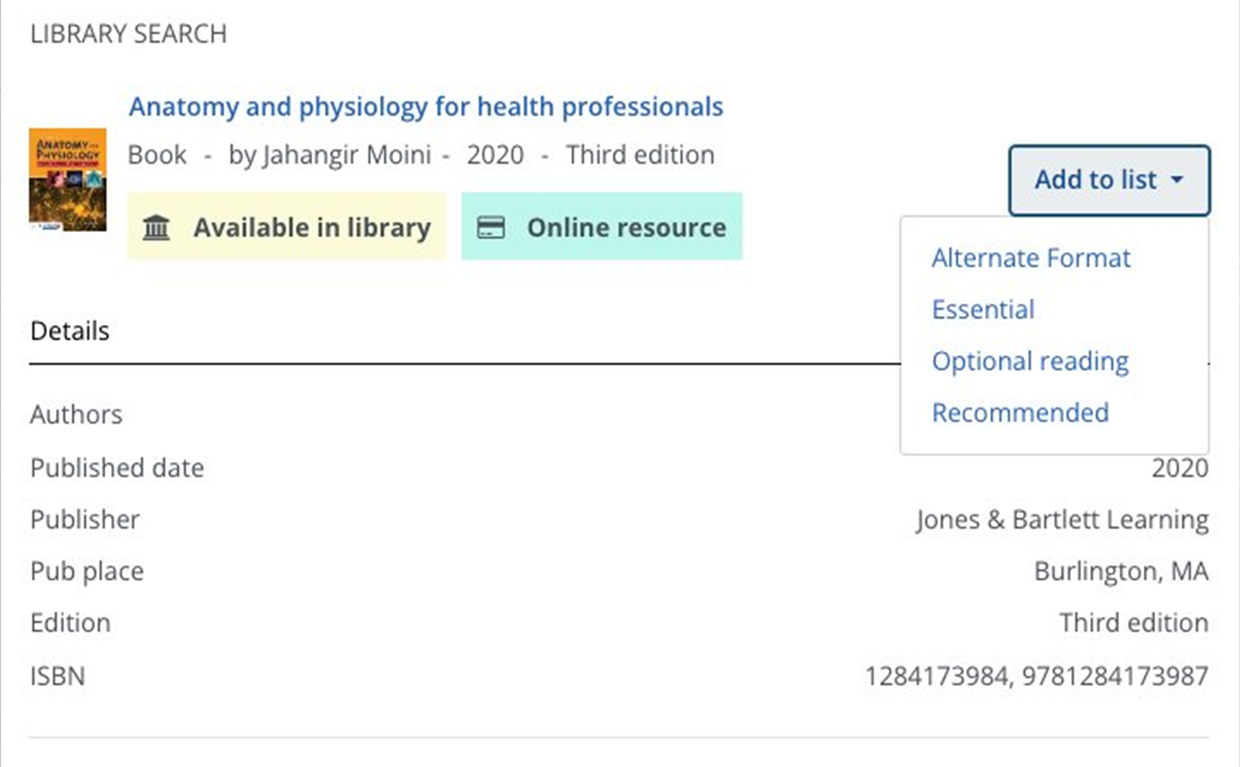
We also enhanced the Add Resource workflow to make it easier for faculty to find and select the right materials. Search results now display more clearly, with indicators showing whether a resource is physical or digital and whether it’s already available in the library. These improvements streamline decision-making, reduce duplicate orders, and give students more accurate information about resource availability.
Following customer feedback, institutions can now apply tenancy-wide privacy settings to ensure that only tutors and students on a specific course or module can view the relevant list.
We have exciting developments planned for 2026. One of the most anticipated is our new tagging system, launching in Q1 2026. This will allow institutions to highlight specific resource types, such as materials from Indigenous authors, or Open Access and OER content, and support more efficient reporting.